Polo 1.2 TSI Services: Boost Your Ride With Experienced Care
Maintaining a Polo 1.2 TSI is crucial for ensuring its durability and efficiency. Regular services can greatly enhance fuel economy and overall driving experience. Expert care involves not just standard procedures, but also advanced testing that can catch issues early. Recognizing the value of regular upkeep can make a substantial impact. What specific maintenance practices should owners prioritize to truly optimize their ride?
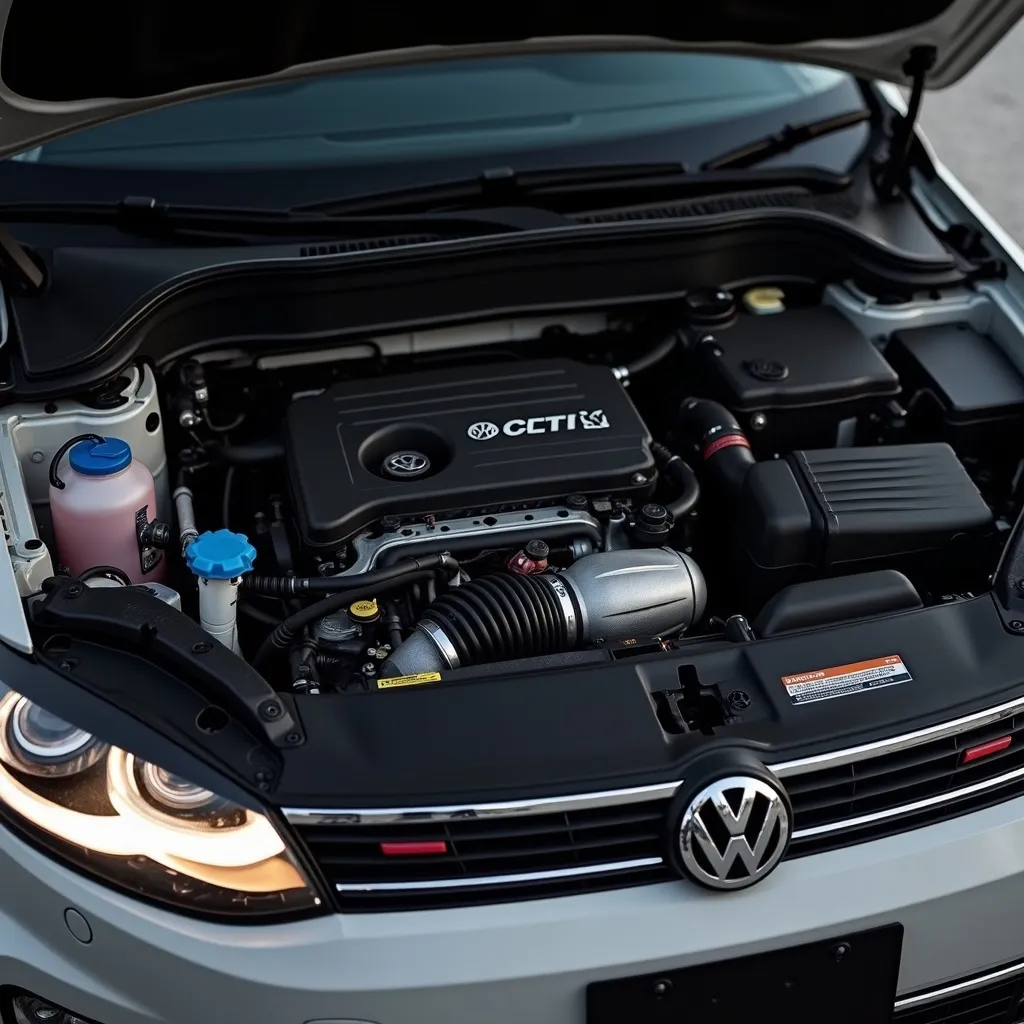
Why Ongoing Maintenance Is Vital for Your Polo 1.2 TSI
Periodic maintenance represents an indispensable aspect in preserving the long-term durability and performance of the Polo 1.2 TSI. This modest-sized automobile, distinguished for its efficiency and quick handling, demands consistent inspections to sustain it working at its best. Periodic maintenance helps recognizing possible complications before they escalate, thus reducing the risk of expensive repairs. Undertakings such as oil maintenance, fluid evaluations, and tire servicing substantially support the car's overall health.
In addition, adherence to a maintenance schedule ensures that all components function effectively, boosting fuel efficiency and driving experience. A well-maintained Polo 1.2 TSI not only runs better but also retains its resale value over time. Ignoring upkeep can lead to compromised dependability and might compromise safety features. Ultimately, maintaining regular maintenance is a preventative strategy that protects the vehicle's performance and lengthens its lifespan, allowing owners to enjoy their driving experience fully.
Vital Engine Care for Excellent Performance
To ensure the Polo 1.2 TSI performs at maximum efficiency, necessary engine upkeep must be focused on. Routine oil changes are important for keeping adequate lubrication, while consistent air filter care guarantees optimal airflow to the engine. Together, these maintenance activities substantially boost performance and longevity.
Regular Oil Changes
The success of motor operation depends on the frequency and quality of oil changes. For the Polo 1.2 TSI, regular oil changes are essential in guaranteeing the engine operates smoothly and efficiently. Engine oil lubricates moving parts, decreases friction, and aids in dispersing heat, which is vital for durability. Over time, oil degrades and builds up contaminants, leading to reduced performance and potential damage. Experts suggest changing the oil every 5,000 to 10,000 kilometers, based on driving conditions and oil type used. Using premium oil that meets manufacturer specifications is equally vital, as it offers optimal protection and enhances fuel efficiency. Therefore, adhering to a consistent oil change schedule is fundamental for preserving the vehicle's efficiency and dependability.
Air Filter Upkeep
Peak engine efficiency depends on diligent air filter care. The air filter acts as an vital function for regulating airflow to the engine, keeping out dust and debris from infiltrating. A clean air filter boosts fuel efficiency and engine responsiveness, but a clogged filter causes reduced power and increased emissions. Regular inspection of the air filter, normally at every service interval, is advised, and it should be replaced as needed or every 12,000 to 15,000 miles. High-quality filters offer superior filtration, maintaining maximum airflow. Overlooking air filter maintenance compromises engine health, creating expensive repairs. In turn, for the Polo 1.2 TSI, consistent air filter maintenance is essential for sustaining performance and longevity.
Why Quality Oil Changes Should Be Your Priority?
Frequent oil changes are essential for the durability and functionality of a Polo 1.2 TSI. Engine oil is essential in safeguarding moving parts, cutting down friction, and controlling temperature, which helps maintain peak engine operation. Over time, oil can become dirty with dirt, debris, and engine wear particles, leading to compromised lubrication and potential engine harm.
Prioritizing quality oil changes guarantees that the engine operates smoothly and efficiently. High-quality oils contain compounds designed to protect the engine from wear and corrosion, improving overall functionality. Additionally, frequent oil maintenance can improve fuel efficiency, saving money over time.
Additionally, respecting the manufacturer's recommended oil change cycles can prevent pricey damage and increase the vehicle's service life. Ultimately, allocating funds for high-quality oil maintenance is a preventative approach that enhances the driving experience and preserves the Polo 1.2 TSI's capability.
Brake System Analysis: Core Observations
The brake mechanism is vital for car performance and safety, making its regular assessment necessary. Symptoms of brake wear, such as strange sounds or reduced responsiveness, must not be disregarded. Routine checks not only improve safety but also lengthen the life of the brake parts.
Significance Of Brake Safety
While many operators overlook brake system evaluations, their significance cannot be denied. The brake system is a fundamental feature of vehicle safety, directly impacting braking capability and overall control. Regular evaluations guarantee that all elements, including pads, rotors, and fluid levels, are performing at peak performance. Ignoring these assessments can result in diminished performance, amplifying the risk of accidents. Furthermore, swift identification of problems can prevent expensive maintenance later on. Brake safety is not simply about maintaining vehicle reliability but also about safeguarding the driver, passengers, and other road users. Emphasizing brake system inspections establishes a preventative approach to vehicle maintenance, ultimately improving a safer driving experience. Drivers should treat these inspections a essential part of responsible car ownership.
Signals Of Brake Wear
Numerous signs indicate brake deterioration, and recognizing them early can prevent major issues. A typical sign is a squealing or scraping sound when braking, suggesting worn brake pads. Additionally, reduced responsiveness or a soft sensation in the brake pedal may signify air in the brake lines or brake fluid loss. Shaking during braking can suggest irregularly deteriorated rotors, while the vehicle drifting sideways may suggest unequal brake pad deterioration. Alert indicators on the dashboard can also signal braking issues. Regularly monitoring these indicators allows vehicle owners to tackle potential problems before they worsen, ensuring safer driving conditions and prolonging the life of the brake system. Timely action can save on expensive maintenance and improve overall vehicle performance.
Routine Checkup Perks
Performing routine brake system inspections offers essential advantages for vehicle safety and performance. By detecting potential issues early, these inspections help prevent expensive repairs and enhance the longevity of brake parts. Routine evaluations ensure optimal functionality, reducing the risk of brake failure during crucial moments. Furthermore, checks encourage steady braking efficiency, adding to overall driving comfort and confidence.
Moreover, adhering to a routine inspection schedule allows drivers to maintain compliance with safety requirements, circumventing penalties and supplying peace of mind. The perks reach beyond safety, as correctly maintained brakes can boost fuel efficiency and vehicle handling. Ultimately, periodic brake assessments are a forward-thinking approach that substantially helps to a safer and more enjoyable driving experience in the Polo 1.2 TSI.
How Tire Care Increases Safety and Fuel Efficiency
Proper tire maintenance is crucial for maximizing both safety and gas mileage in vehicles like the Polo 1.2 TSI. Regular tire maintenance, such as checking air pressure, tread depth, and alignment, significantly impacts a vehicle's performance. Proper tire inflation not only improves gas economy by reducing rolling resistance but also enhances control data and stability, ensuring more secure driving.
In addition, sustaining sufficient tread depth is vital for reliable traction, notably in wet or slippery conditions. Compromised tires may lead to longer braking spans and a substantial risk of loss of traction on wet surfaces, compromising safety. Rotating tires regularly advances even tire wear, enhancing their life expectancy and bettering fuel economy.
How Expert Testing Avoid Expensive Repairs?
Specialized testing play an crucial function in identifying problems within the Polo 1.2 TSI before they progress into major concerns. Utilizing sophisticated techniques, these diagnostic tools analyze various components within the car, including the motor, gearbox, and electronic components. By identifying fault codes and irregularities in advance, mechanics can resolve small concerns before they turn into expensive fixes.
For example, a slight engine misfire identified via diagnostics can lead to a straightforward spark plug replacement, while neglecting it could result in severe engine harm. Routine diagnostic checks also ensure that the vehicle operates smoothly, improving fuel consumption and performance. In addition, preventative upkeep based on diagnostic results enhances the longevity of the vehicle, decreasing the likelihood of sudden breakdowns. Ultimately, specialized diagnostics not only safeguard the Polo 1.2 TSI's operation but also offer peace of mind for the owner, making it an crucial component of responsible vehicle care.
Determining the Most Suitable Care Center for Your Polo 1.2 TSI
Choosing the appropriate repair facility for a Polo 1.2 TSI is crucial for preserving its performance and durability. Vehicle drivers should favor centers that focus on Volkswagen vehicles, as they have the necessary expertise and equipment tailored for the Polo's distinct requirements. It's vital to examine the qualifications and background of the technicians, making sure they are certified and knowledgeable about the 1.2 TSI engine.
Additionally, examining customer feedback and recommendations can bring valuable insights into the service quality and trustworthiness of a center. Transparency in charges and the availability of genuine parts are also vital factors; reputable centers should offer clear estimates without hidden fees.
Also, a service center that employs state-of-the-art testing equipment will be better equipped to resolve and identify issues efficiently. Ultimately, choosing a well-regarded repair shop can improve the overall performance and extend the life of the Polo 1.2 TSI.
Regularly Asked FAQs
How often Should I replace My Polo 1.2 TSI air filter?
An air filter in a Polo 1.2 TSI ought to normally be replaced every 15,000 to 30,000 miles, contingent upon driving habits. Regular inspections can assist in maintaining peak engine performance and fuel efficiency.
Which Widespread Signals of Motor Difficulty Can I Watch For in My Polo 1.2 TSI?
Common symptoms of motor issues in the Polo 1.2 TSI include odd sounds, lower efficiency, caution signals on the dashboard, heavy smoke emissions, and motor shaking. These signals suggest potential mechanical issues needing prompt action.
Is it possible for me to perform fundamental maintenance myself?
Yes, basic maintenance can be performed by oneself, such as tasks like checking oil levels, replacing air filters, and changing wiper blades. However, more complex tasks may need professional assistance to ensure peak vehicle performance.
What Coverage Selections Are On Offer for Service Work?
Various warranty options for maintenance work typically feature manufacturer warranties, extended warranties, and service contracts. Each option may cover different aspects, so it's crucial to review terms and conditions for thorough understanding and coverage.
Do professional services exist for performance enhancements?
Yes, specialized services for enhancement modifications are available, concentrating on improving engine efficiency, suspension, and exhaust systems. These upgrades seek to enhance overall driving experience, providing customized options for aficionados looking for better driving capabilities.